

 Login / Register
 RHS Award Winning Varieties
 Quality UK Grown Plants
 12 Month Guarantee
 100% SSL Secured Shopping
Once you’ve grown your own blueberries, shop-bought ones rarely cut it. A single well-loved bush, tucked into a sunny corner or a pot by the back door, can produce kilos of fruit every summer for twenty years or more. Still warm from the sun and eaten straight from the stem, the berries you pick taste even better than anything you’d find in a shop.
It’s worth knowing, too, that research published in the National Library of Medicine links regular blueberry consumption to a range of health benefits, from cardiovascular support to improved antioxidant activity. Growing your own means you get all of that at peak freshness and health benefits straight from the garden.
The secret is understanding what blueberries actually need. They’re not demanding plants, but they do have preferences. Nail those and you’ll have a plant that earns its place in the garden every single year.
This guide covers everything: choosing the right variety, getting the soil right, pruning for the best possible crop, and knowing what to do if things aren’t quite going to plan.
- How to Grow Blueberries
- Do Blueberries Do Better in Pots or in the Ground?
- What Is the Growing Season for Blueberries?
- How Long Does It Take for a Blueberry Bush to Fruit?
- When to Prune Blueberries
- Why Aren’t My Blueberries Growing Well?
- Caring for Blueberries Through the Year
- Harvesting Blueberries
- Growing Blueberries at a Glance
How to Grow Blueberries
Even beginner gardeners can grow blueberries. The steps below cover everything from picking the right plant to getting it properly settled in the ground or in a pot, so it can start doing what blueberries do best.
Choosing the Right Variety
Before anything else, it’s worth thinking about which blueberry suits your garden. You can browse our full range of blueberry bushes to find the variety that suits your garden best, but as a starting point, ‘Bluecrop‘, ‘Chandler‘, and ‘Patriot‘ all perform reliably here. If you’re working with a smaller space or want to grow in pots, lowbush types are compact and very productive; ‘Hortblue Petite‘ is particularly worth considering.

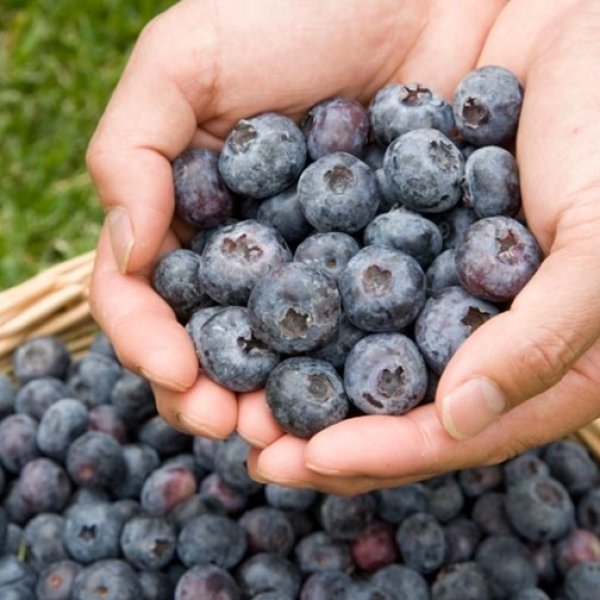
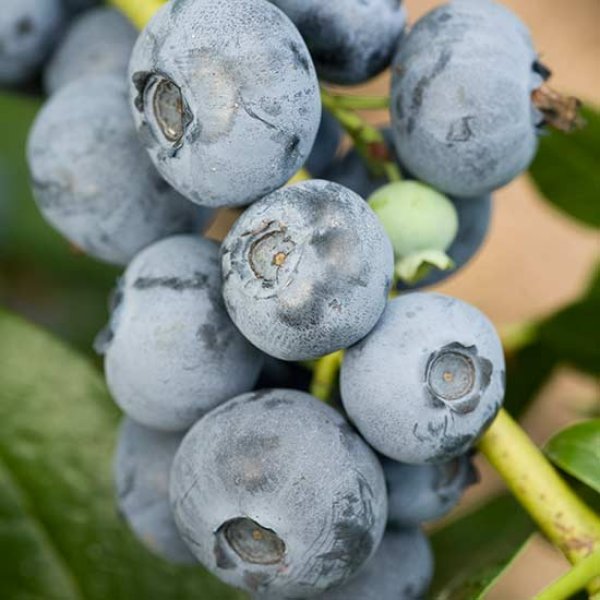
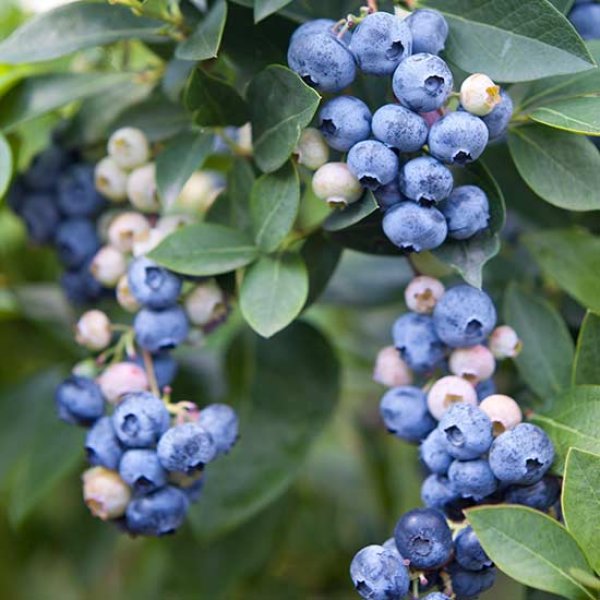
One thing that makes a real difference to your harvest: blueberries crop far better with a pollination partner. Planting two different varieties can significantly boost what you pick.
Sunlight and Position
Blueberries love the sun. Choose a spot that gets at least six hours of direct sunlight a day, ideally sheltered from strong winds. South or west facing aspects tend to work best in the UK, and a good position is one of the simplest things you can do to set your plants up for a bumper crop.
Blueberry Soil: Getting the Acidity Right
Here’s the one thing that unlocks everything else with blueberries: they need acidic soil, with a pH of between 4.5 and 5.5. Get this right and the plant does the rest.
Most UK garden soil is naturally more alkaline, which is why growing blueberries in pots is so popular. Fill a container with ericaceous compost and you’ve created the ideal conditions straight away. If you’re planting in the ground, an inexpensive pH testing kit will tell you where you’re starting from; working in ericaceous compost and sulphur chips several months before planting is a reliable way to bring it down. We recommend a pH of 4.5 to 5.5 as the ideal range.
One thing worth knowing about water: tap water in many parts of the UK is slightly alkaline. Collecting rainwater (a water irrigation system is a worthwhile addition to any fruit garden) means your blueberries get exactly what they need, and your soil stays in the right condition year after year.
Planting Blueberries
Blueberries are normally supplied as container grown plants and can go in at any point, though spring and autumn give them the best start.
Planting is straightforward. Dig a hole around twice the width of the root ball, mix the excavated soil with ericaceous compost (roughly 50/50 for in ground planting), and set the plant at the same depth it was growing before. Firm it in gently, water well, and mulch around the base with pine bark or wood chip. That mulch holds moisture and keeps the soil temperature steady, as well as helping to maintain the acidity your plant loves.
Space plants around 1.2-1.5m (4-5ft) apart, or give each pot grown plant a container at least 20-30cm (8-12in) in diameter, moving them into a larger pot every year until you reach a size of around 45-50cm (18-20in) in diameter.
Do Blueberries Do Better in Pots or in the Ground?
It’s a question that comes up constantly, and the answer depends on your garden and how much soil prep you’re willing to do.
Growing blueberries in pots puts you in complete control. Fill the container with ericaceous compost, water with rainwater, and the conditions are right from day one. You can position the pot exactly where the sun falls best, and if you ever want to move it, you can.
Blueberries planted in the ground do tend to grow bigger over time, with more room for the roots to spread and the potential for very heavy crops from established plants. It’s a longer term investment, but for gardeners with the space and the right starting conditions, it’s a deeply rewarding one.
If you’re just getting started, a large pot is a brilliant place to begin. You’ll be picking fruit before you know it, and you can always expand from there.
What Is the Growing Season for Blueberries?
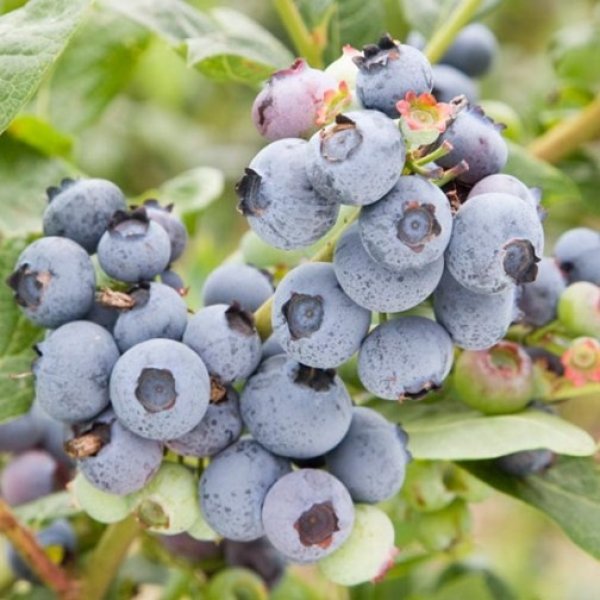
Blueberry bushes will keep on giving right across the year, from the first flush of spring blossom to vivid autumn colour once the harvest is done.
| Season | What Happens |
|---|---|
| Late winter/early spring | Buds swell; white or pale pink blossom appears |
| Late spring | Flowers set fruit after pollination |
| Early to midsummer | Berries form and begin to ripen |
| July to September | Main harvest period, depending on variety |
| Autumn | Foliage often turns to shades of vivid red and orange |
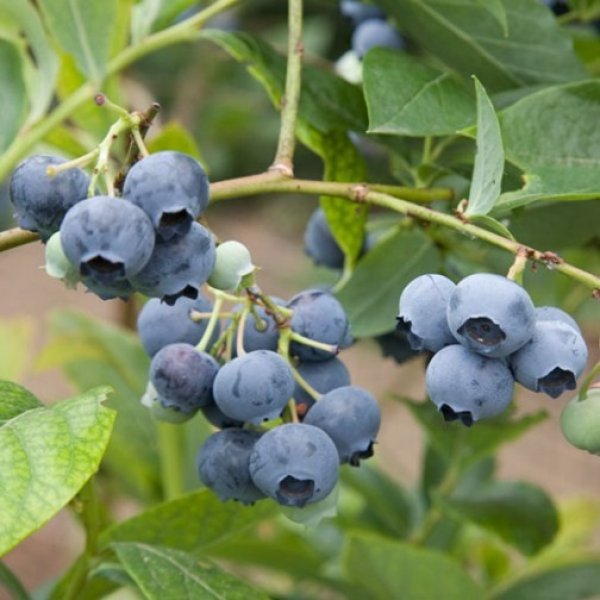
How Long Does It Take for a Blueberry Bush to Fruit?
If you’ve just planted your first blueberry bush, this is probably the question that’s uppermost in your mind. The honest answer involves a little patience, but the wait is well worth it.
Blueberry plants supplied in a 2-3 litre pot will sometimes produce some fruit in their first year, with harvests becoming more generous as the plant matures.
If your blueberry bush doesn’t produce fruit in the first year, don’t worry. It will be putting its energy into building strong roots and a solid framework which will help it carry a heavier crop in years to come.
When to Prune Blueberries
A little pruning each year is one of the best things you can do for your blueberry plant.
Why Pruning Matters
Blueberries fruit on wood that’s one to three years old. A little pruning each year keeps the plant open and vigorous, encouraging fresh new growth and better fruit. It’s one of those jobs that feels satisfying once you understand what you’re doing, as you can actually see the plant improving as you work.
The Best Time to Prune Blueberries
Late winter or very early spring is ideal, before the buds begin to break. February to early March tends to be the sweet spot in the UK. Pruning while the plant is dormant makes it easier to read the structure, and you’ll have a clear picture of exactly what to remove.
Autumn is the one time to leave the secateurs alone: blueberries are still drawing energy into their roots after the leaves drop, and they’re better left to get on with that undisturbed.
How to Prune Blueberries
Young Plants (Years 1 to 3)
At this stage, it’s really about shaping. Remove any dead or crossing branches and aim for an open, goblet shaped framework with good airflow through the centre. It doesn’t need to be complicated, as you’re just helping the plant find its best form.
Established Plants (Year 4 Onwards)
This is where the annual prune really pays off. Each year, take out two of the oldest, most woody stems at or near the base (they’ll be darker and often peeling), and remove any weak or congested growth. Shortening any very long, whippy shoots back to a strong side shoot keeps things tidy and productive.
The aim is to keep the plant perpetually refreshed: old wood cycling out, young productive stems coming through. You’ll notice the difference in your harvests.
A Note on What to Keep
Those strong, upright young shoots coming from the base are exactly what you want. They’re the future of the plant, so leave them to grow. Steady, light pruning each year achieves far more than a heavy cut every few seasons.
Why Aren’t My Blueberries Growing Well?
If your plant isn’t quite living up to expectations, don’t worry. Most blueberry bushes that aren’t performing as well as expected are very easy to help.
Check the Soil pH First
This is the most common factor. If the leaves are yellowing between the veins, the soil is likely a little too alkaline for the plant to absorb nutrients freely. A pH testing kit will confirm it, and adding sulphur chips or switching to ericaceous compost (if being grown in a pot) is often all that’s needed to bring things back into range. For pot grown plants, refreshing the compost every couple of years keeps conditions consistently good.
Consider the Plant’s Age
Young blueberries put most of their early energy into root development rather than fruiting, so modest crops in the first couple of years are completely normal. These plants are building the foundation for many years of generous harvests, so be patient.
Think About Pollination
Blueberries are self fertile, but they produce far more fruit with a compatible partner nearby. If you have room for a second plant, it’s one of the most enjoyable additions to a fruit garden, and the improvement in cropping can be remarkable.
Look at the Light
A blueberry in shade will survive, but it really comes into its own in full sun. If your plant is healthy but fruiting lightly, moving it to a sunnier spot (easy if it’s in a pot) often makes an immediate difference.
Caring for Blueberries Through the Year
Once your blueberry is established, the ongoing care is straightforward. A few things done at the right time make all the difference to how well your plant fruits.
Feeding
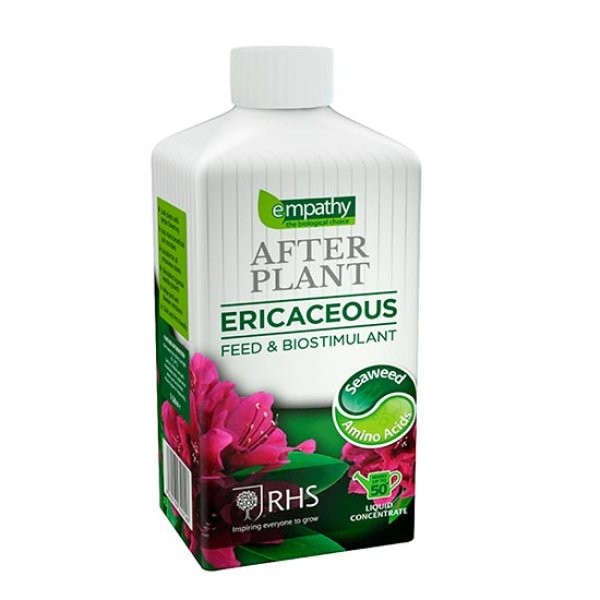
Feed with a fertiliser formulated for ericaceous plants: one designed for rhododendrons or azaleas works very well. Apply in spring as growth begins, and again in early summer. Your plants will respond noticeably to the right feed at the right time.
Watering
Keep the soil consistently moist, especially during flowering and fruit development. Blueberries have a relatively shallow root system, so they’re responsive to regular watering in warm weather. Rainwater is the best choice, both for the plant’s health and to keep the soil pH steady over time.
Protecting the Fruit
Birds are very fond of blueberries. Netting your plants as the fruit ripens, or growing them in a fruit cage, means the harvest stays yours. Take the nets off after picking so pollinators can reach the blossom the following spring.
Harvesting Blueberries
All that care, all that patience: this is what it’s been for. The first time you pick a ripe handful straight from your own bush, you’ll understand exactly why people love growing blueberries so much.
Blueberries don’t ripen all at once, which means you’ll be visiting the plant every few days through summer to pick what’s ready and watch the rest catch up.
A ripe berry comes away from the stem with almost no effort. If you’re tugging, give it a few more days. That deep, sweet flavour, the kind you only really get from fruit you’ve grown yourself, is unmistakable when it’s right.
Fresh blueberries keep in the fridge for around a week. They also freeze beautifully: spread them in a single layer on a tray until solid, then bag them up. You’ll still be enjoying your own blueberries in the depths of winter, which never stops feeling like a small triumph.
Growing Blueberries at a Glance
If you get the soil right and prune a little each year, you’ll be rewarded with a plant that produces abundantly and makes every bowl of porridge feel like something worth celebrating. If blueberries have inspired you to grow more of your own fruit, our full range of soft fruit plants is a good place to start exploring.
| What to do | |
|---|---|
| Soil | Ericaceous compost, pH 4.5 to 5.5 |
| Position | Full sun, sheltered |
| Watering | Rainwater preferred, consistently moist |
| Feeding | Ericaceous fertiliser, spring and early summer |
| Pruning | Late winter, remove oldest wood annually |
| Harvest | July to September, depending on variety |
| Pollination | Plant two varieties for best results |
If you need further advice on your blueberry bushes, our advisory team is always happy to help. The service is free, and we love hearing from growers at every stage of the journey.