Summer Pruning Made Easy

Summer Pruning Made Easy

If you are growing restricted forms of top fruit trees – cordons, espaliers, fans, pyramids, stepovers or even bushes – you need to undertake your pruning in the summer to help ensure maximum fruitfulness and vigour as well as for keeping your trees in good shape. Additionally, the removal and shortening of shoots and thereby leaves will allow more light to get the fruit which is essential for late ripening varieties. Continue reading

Pollination of Fruit Trees

The flowers of the ‘top’ fruit trees that we grow in the UK – apples, pears, cherries, plums, peaches and nectarines – have both male and female parts and for a fruit to be created these female parts must receive pollen from the male parts of another flower – usually from another tree. In the majority of cases this means that you cannot grow a single top fruit tree by itself – unless you happen to have another close by in a neighbour’s garden. Continue reading
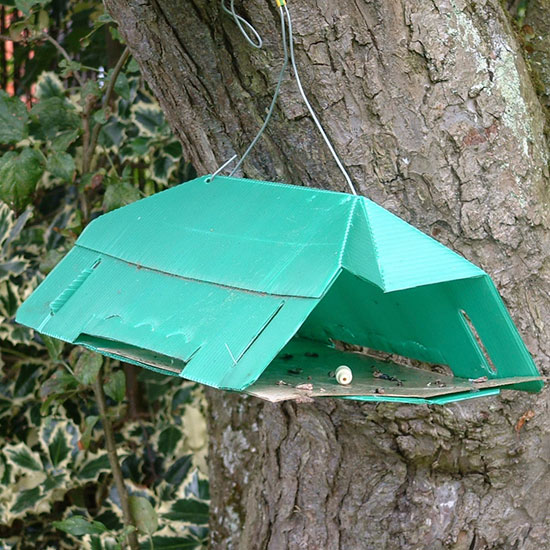
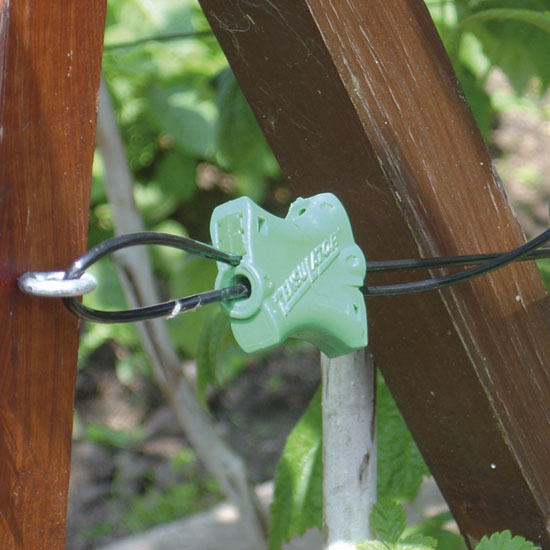
Pheromone traps set up in your fruit trees at the end of May through to August will help control maggot damage.

Organic Controls for Fruit Garden Pests

It is interesting to note that the last few years have seen more and more gardeners growing their plants organically and this is being reflected commercially with a considerable number of growers doing likewise. But why is this happening? Is it just a modern fad or are the public generally becoming more concerned about the number of chemicals that are being used in the food they are going to eat? Continue reading

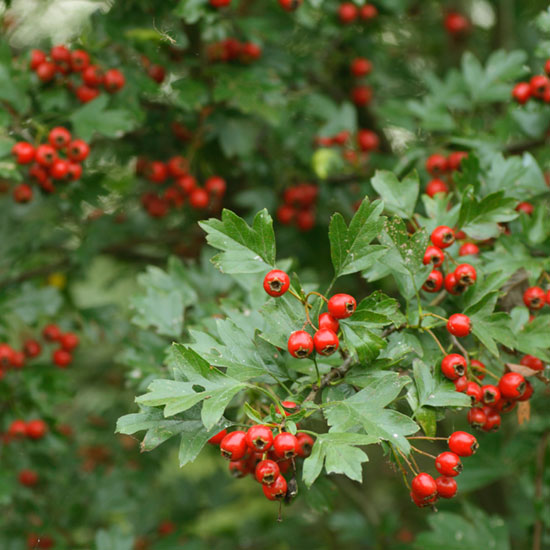
Hawthorn - A fast growing hedge producing masses of scented white flowers in the late spring followed by small bright red berries (haws) in the autumn. The fruits are edible and can be made into jellies, jams and syrups.

Planting an Edible Hedge

Yes I really mean an edible hedge! It’s certainly a much cheaper and more attractive way of creating a boundary than erecting a fence or building a wall and if you don’t have space for a boundary hedge or have an existing hedge which you can’t convert, how about screening a compost bin, shed or vegetable plot? Perhaps the best thing is to consider an edible hedge as an extension to your existing fruit plot thereby extending your range of fruit cultivation to the very limits of your garden. Continue reading

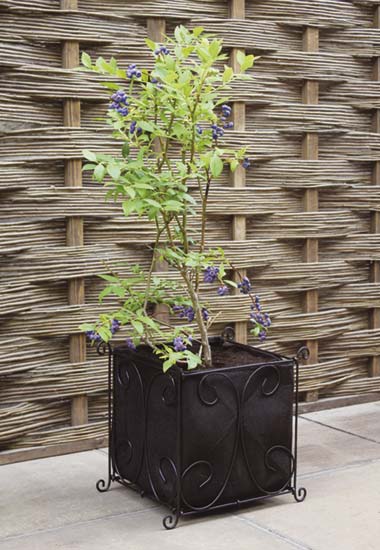
A Vigoroot Planter will enable the roots to develop without spiralling

Growing Fruit on the Patio

Although many TV gardening programmes would have you think otherwise a very large percentage of the UK population have a very small garden or perhaps just a patio. This makes those owners of these small spaces wonder what they can grow. My advice is always that you can grow many plants nowadays in containers so why not have a go yourself if the majority of your garden is a patio? For many years shrubs, perennials and even small trees have been grown in containers but – despite a small following – it is only recently that there has been a trend towards growing fruit in containers. Continue reading

Planting an Edible Hedge

The Benefits of Autumn Planting

Over the years there has been much discussion as to whether it is best to plant fruit trees in the autumn (late November/December) or spring. So much so in fact that the novice and often more experienced gardener becomes totally confused! I have always been an advocate of planting in the autumn and I preach this message wherever I go; most certainly I very rarely plant anything in my garden in the spring unless there are real extenuating circumstances. But why plant in the autumn when there is still so much to do in the garden? Continue reading

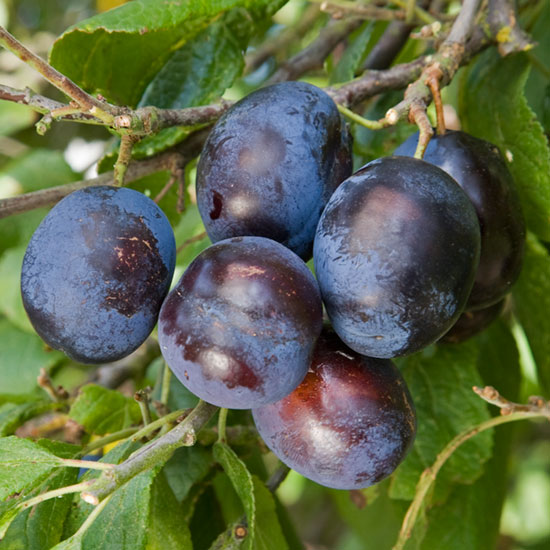
Merryweather Damson is sweet enough to be used as a dessert plum when fully ripe.

Damsons for the Finest Jams

Although generally considered to be part of the plum family, damsons (and bullaces) are of the species Prunus insititata whereas plums are of the species Prunus domestica. The name ‘damson’ is derived from Damascus in Syria where it is considered that it originated and was introduced into England, in due course, by the Romans. The damson is also known as the damson plum or Damask plum in parts of Europe where it is used to make the spirit slivovitz. Bullaces, which are more acidic and lower in sugar than damsons, are considered to be native to Britain. Continue reading